
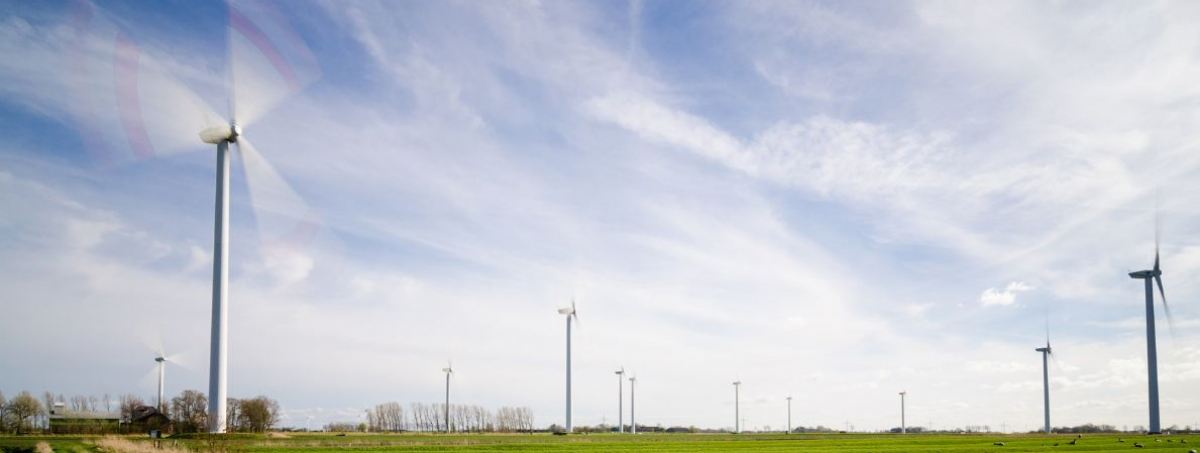
Ireland wasted 13 per cent of its cheapest electricity in 2025. Wind farms delivered 13,634 gigawatt hours of clean power, but dispatch-down levels, where grid operators instruct turbines to reduce output because transmission infrastructure cannot carry the volume produced, consumed one in every eight units generated. Wind Energy Ireland’s annual report, published in February 2026, records that dispatch down has risen by approximately 1 per cent annually since 2016 and confirms Ireland has surpassed 5,000 megawatts of installed onshore wind capacity with 450 megawatts under construction and 2,500 megawatts holding planning permission. The electricity is being generated. The engineering infrastructure to deliver it is not keeping pace.
The scale of the gap is clear. EirGrid is developing two offshore substation platforms off the south coast and overseeing the 700 megawatt Celtic Interconnector linking Ireland to France, scheduled online at end of 2026. The Powering Prosperity industrial strategy has delivered 38 of its 40 planned actions. Yet no offshore project from Ireland’s first competitive auction in 2023 has broken ground, and the 5 gigawatt offshore target by 2030 is broadly acknowledged as unachievable. The constraint is not ambition or policy. It is delivery engineering capacity at the point where grid meets generation.
Three engineering bottlenecks define the problem. High-voltage and high-voltage direct current expertise is in critical short supply domestically and internationally; Wind Energy Ireland’s offshore wind skills report identifies this as the most acute workforce gap, proposing relocation grants to attract Irish nationals working abroad as an interim measure. Port infrastructure has not been developed to the scale offshore construction logistics requires; Rosslare Europort and the Port of Cork are expanding but remain works in progress for staging and assembly demands of utility-scale projects. Planning adds a third constraint as no new onshore wind farms were approved by An Coimisiún Pleanála in the first quarter of 2026, against seven projects totalling 402 megawatts in the same quarter of 2025.
The commercial opportunity runs through these bottlenecks directly. EirGrid’s procurement programme for offshore transmission infrastructure exceeds one billion euros. The Tonn Nua auction concluded in December 2025, one of the few offshore wind auctions in Europe to close that year, adding to a pipeline of nearly four gigawatts in final planning in 2026. Wind Energy Ireland values Ireland’s 2050 offshore targets at a minimum of 38 billion euros to the economy. For firms with capability in transmission design, high-voltage installation, marine civils and grid integration, the Irish market is a decade-long programme constrained only by specialist disciplines.
The dispatch-down figure is the most useful metric for engineering leaders planning market positioning. Every percentage point of wasted wind generation quantifies unmet grid engineering demand. Ireland’s transition is not stalled at the policy level; Powering Prosperity is operational, the auctions are running and the investment pipeline is real. What the system requires is engineering firms and workforce institutions that treat the high-voltage skills gap, offshore logistics deficit and transmission programme as an integrated engineering challenge rather than separate issues addressed incrementally.
(The views expressed by the writer are his/her own and do not necessarily reflect the views or positions of BusinessRiver.)









.png)