
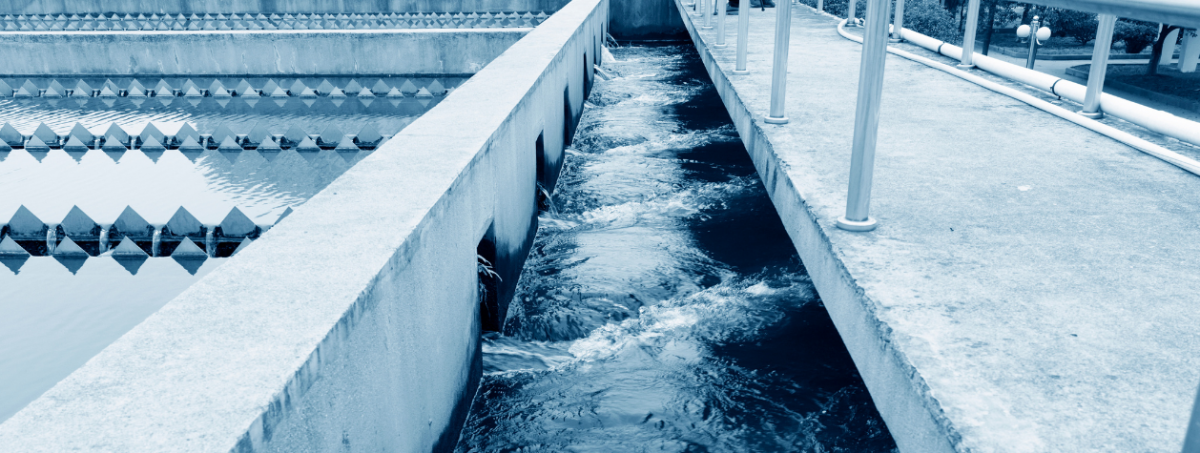
The Commission for Regulation of Utilities approved a record €13.6 billion investment framework for Ireland’s water and wastewater services on 28 May 2026, setting out 39 binding capital delivery obligations and 34 performance metrics governing how Uisce Éireann must spend the money and demonstrate results. Revenue Control 4, covering 2025 to 2029, requires 163 new and upgraded water treatment plants, 61 wastewater treatment plants, 126 kilometres of additional water network capacity and rehabilitation of 639 kilometres of aging water mains. For civil engineering ireland firms, infrastructure engineering specialists and engineering companies with water, environmental and process engineering capability, RC4 represents the most precisely specified engineering projects programme Ireland’s water sector has entered.
The scale of what is required makes the context plain. Uisce Éireann manages more than 65,000 kilometres of underground pipes, many installed by local authorities under different standards over decades. The CRU’s decision follows a €20 million regulatory fine issued in November 2025 for failing to meet its leakage reduction target, having saved only 90 million litres against a required 176 million litres in the previous investment period. That shortfall is an engineering delivery failure with a documented commercial consequence, establishing the standard against which RC4 will be measured. The 39 capital delivery obligations are enforceable rather than aspirational.
The engineering design challenges are significant across every discipline. Water treatment plant design must accommodate increasingly stringent standards under the EU Drinking Water Directive while managing the energy implications of treating water from catchments under growing climate pressure. Wastewater engineering must deliver compliance with EU Urban Wastewater Treatment requirements at 57 upgraded plants while progressing the €1.3 billion Greater Dublin Drainage scheme, serving up to 500,000 people across north Dublin, Meath and Kildare and relieving Ringsend treatment plant, currently at full capacity. Leakage reduction engineering, involving detection, acoustic investigation and rehabilitation of aging mains, requires specialised engineering technology and civil engineering workforce mobilisation across Ireland’s pipe network.
Sustainability in engineering is embedded in the regulatory framework throughout. RC4 requires Uisce Éireann to demonstrate environmental compliance progress, linking capital expenditure to ecological outcomes. Sustainable engineering in water infrastructure design, covering energy-efficient treatment processes, low-carbon pipe materials and catchment-sensitive abstraction, is an engineering specification requirement within the delivery obligations. Engineering companies with sustainable engineering capability in water treatment and network design are better positioned to meet the RC4 performance metrics than firms operating to older technical standards.
Project delivery discipline is the defining variable in whether the RC4 programme delivers its intended outcomes. The CRU’s fine for missing the previous leakage target established that engineering failure carries financial consequence at utility level. Engineering excellence in programme sequencing, procurement and subcontractor management will determine whether the 39 capital delivery obligations are met by 2029. Engineering innovation in leak detection, digital asset management and treatment process optimisation is embedded in how leading engineering companies approach this class of programme. For engineering industry practitioners across civil, process, environmental and mechanical disciplines, RC4 is the most consequential programme Ireland’s water sector will run this decade.








.png)